
Lawn grubs are the larval stage of various beetles, including Japanese beetles, June bugs, and European chafers.
 |
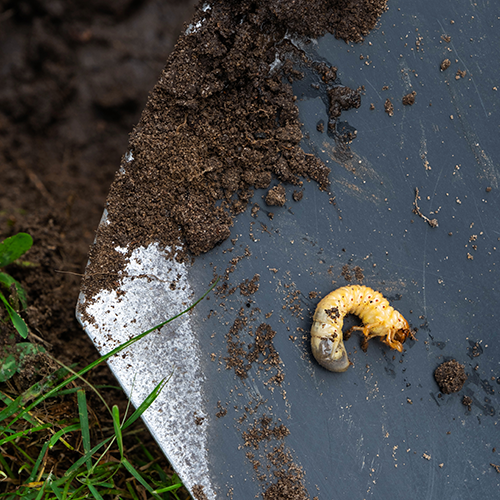 |
These small, C-shaped larvae feed on grassroots, which can cause significant damage to your lawn if left untreated. Recognizing the signs of a grub infestation early is key to preventing brown patches and thinning grass, keeping your lawn healthy and resilient.
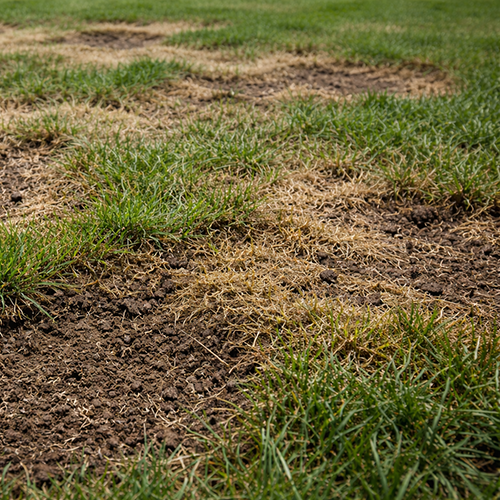
One of the first signs of grubs is irregular brown or yellow patches in your lawn that feel soft or spongy underfoot. Unlike areas affected by drought, these patches often appear in circular or random patterns and may expand rapidly. Another common indicator is that the grass pulls up easily when tugged, revealing the creamy-white, C-shaped larvae feeding just beneath the soil surface.
You may also notice increased activity from wildlife, such as birds, raccoons, skunks, or squirrels, which dig up the lawn to feed on the grubs. If you see holes or torn-up patches of turf, it’s a strong sign that grubs are present. Examining the soil directly by cutting a small square of sod and inspecting the top 2–4 inches can confirm their presence; even a few grubs per square foot can indicate a developing problem.
Preventing and managing grubs starts with maintaining a healthy lawn through proper mowing, watering, and fertilization. Early detection allows for targeted treatments, whether using beneficial nematodes, insecticides, or natural predators, to minimize damage and restore your lawn’s vitality. By keeping an eye out for the signs above, you can catch infestations early and protect your grass from serious harm.